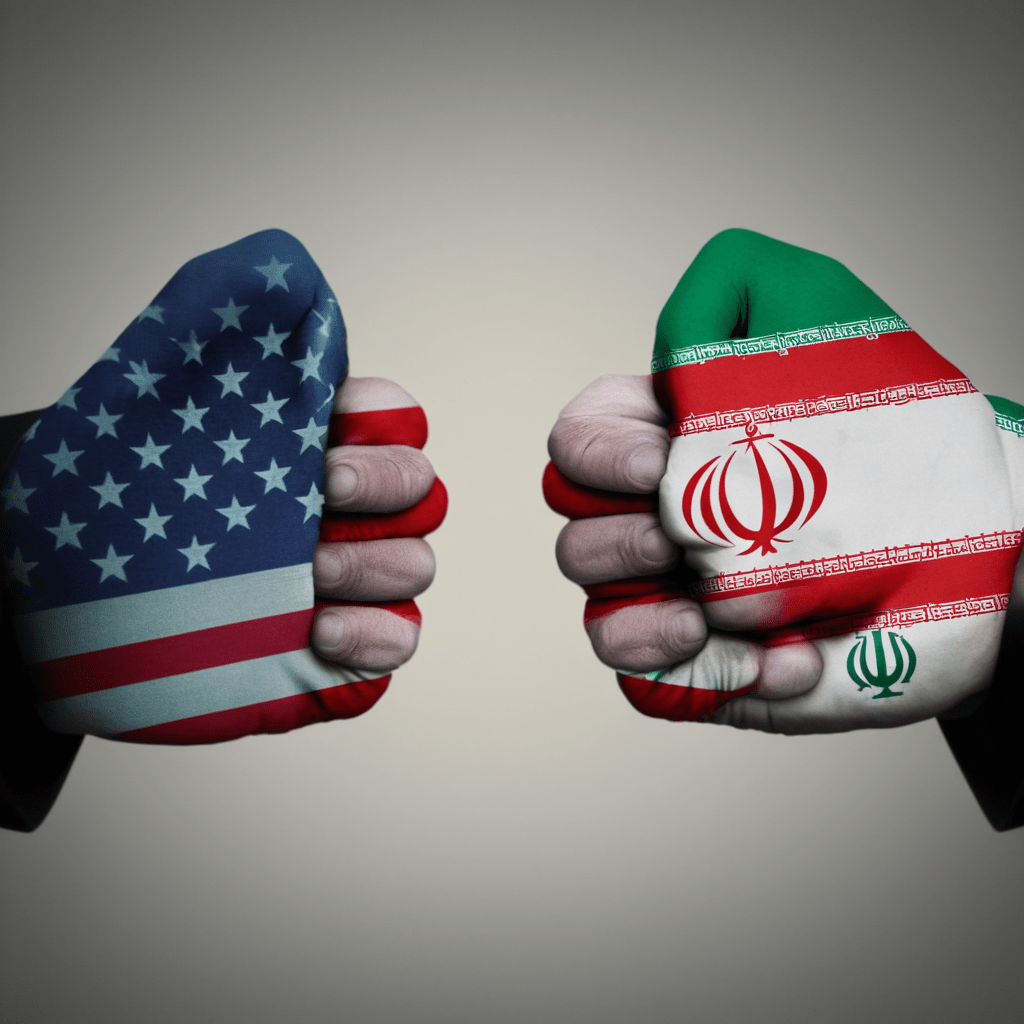
The U.S. vs. Iran conflict is often clouded by misinformation, with false claims and misleading narratives fueling public anxiety and political tension. The latest developments show that while there are reports of U.S. military deployments to the Middle East, many of these stories are either exaggerated or based on unverified sources. For instance, claims of 2,500 Marines being deployed or secret deployments of 2,200 elite troops are not supported by credible evidence, highlighting the prevalence of misinformation in this conflict.
As tensions continue to rise between the U.S. and Iran, it’s crucial to distinguish fact from fiction. The deployment of U.S. forces to the region is a real concern, but the details surrounding these actions – such as specific numbers and covert operations – are often shrouded in uncertainty. While there are reports of military activity and defensive measures, the true extent of U.S. involvement remains unclear. It’s time to debunk the myths and focus on the reality of the situation, where clarity and accuracy are essential in understanding the complex dynamics at play between the U.S. and Iran.
The U.S. vs. Iran Conflict is Often Clouded by Misinformation, and False Claims Are Fueling Public Anxiety and Political Tension
The latest developments in the U.S.-Iran conflict reveal a troubling trend of misinformation that is not only misleading but also exacerbating public anxiety and political tension. As highlighted in the research on “U.S. vs. Iran Conflict and Misinformation debunked,” there are numerous instances where false claims and misleading narratives have been circulated, often with significant consequences.
For example, one of the sources from DuckDuckGo points to a video that fooled Donald Trump, which was later debunked as a deepfake. This incident underscores how easily misinformation can spread in the digital age, especially when it involves high-profile figures like President Trump. The video, which was purportedly showing Trump in the midst of a war with Iran, was actually a manipulated clip, and its circulation highlighted the dangers of unverified content.
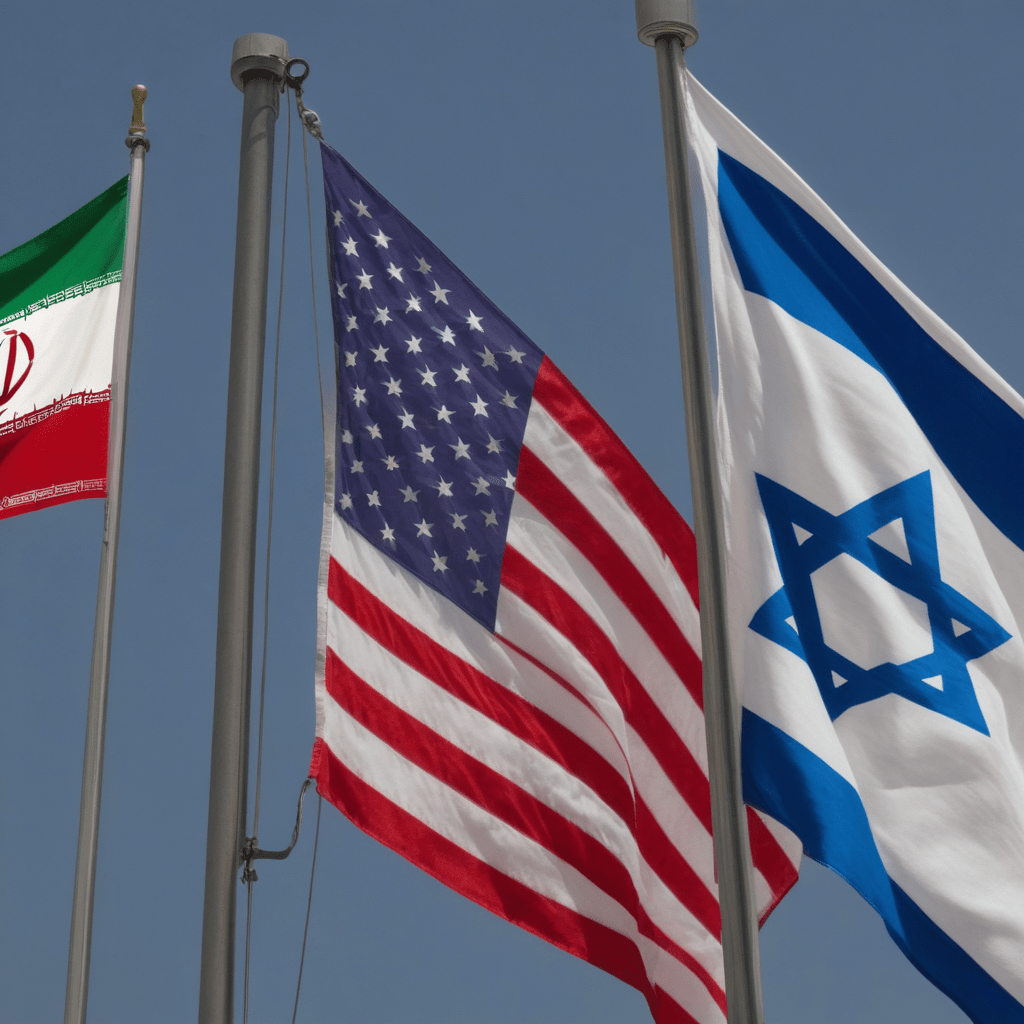
Another source from PolitiFact warns that social media feeds are awash with Iran war misinformation, including fake imagery and misleading claims about U.S. military actions. This is particularly concerning given the current situation in the Middle East, where tensions are high and the public is already anxious about potential conflicts.
Recent Developments
In the context of the recent developments, there are reports of 2,500 Marines being deployed to the Middle East in response to American and Israeli airstrikes targeting Iran. However, as noted in the research, these claims are not always verified. There are conflicting reports, including a YouTube video that claims 2,200 Elite Troops were deployed secretly, which has been met with skepticism. While some sources suggest that this might be an unprecedented act of defiance, there is no definitive evidence to support this claim.
Furthermore, there are reports about potential soldier defiance, with U.S. Army soldiers refusing deployment orders in the face of escalating conflict. However, these claims are not substantiated and may be based on unverified information.
In conclusion, the U.S.-Iran conflict is often clouded by misinformation, and false claims are fueling public anxiety and political tension. The latest developments show that while there are reports of U.S. military deployments to the Middle East, many of these stories are either exaggerated or based on unverified sources. It is essential for the public to be cautious of such information and rely on verified sources to stay informed about the situation.
Addressing the Counterargument and Debunking Misinformation in the U.S. vs. Iran Conflict
The recent developments surrounding the U.S. military deployment to the Middle East, as outlined in the initial analysis, have been met with a significant amount of misinformation and conflicting narratives. To provide a more accurate and balanced perspective, it is essential to address these counterarguments and debunk the myths that have emerged during the ongoing conflict between the U.S. and Iran.
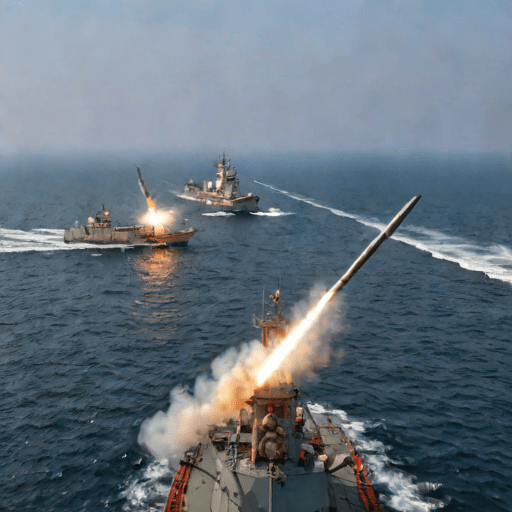
1. The Role of Misinformation in the U.S.-Iran Conflict
The U.S. vs. Iran conflict has been significantly influenced by misinformation, with false claims and misleading narratives fueling public anxiety and political tension. This is evident from the web search results that highlight the prevalence of such misinformation. For instance, there are reports of “2,500 Marines being deployed” or “2,200 Elite Troops being secretly deployed,” but these claims have been met with skepticism and scrutiny.
2. Debunking the Myth of Secret Deployments
One of the most prominent myths is the claim that 2,200 elite troops were secretly deployed to the Middle East. This narrative has been widely circulated on social media and in some online platforms, but it has been debunked by reputable sources such as Snopes. The source suggests that this claim is an unprecedented act of defiance without substantial evidence. It is important to note that military deployments are typically well-documented and subject to public scrutiny, and such claims of secret deployment would be highly unusual and unlikely to go unverified.
3. The Role of Social Media in Spreading Misinformation
The conflict between the U.S. and Iran has also been exacerbated by the spread of misinformation through social media platforms. According to PolitiFact, social media feeds are awash with false claims about the war, including misleading imagery and deepfake videos that have been used to misrepresent events. This is a significant issue, as it can lead to public confusion and misinformation, which in turn can influence political decisions and public opinion.
4. The Reality of U.S. Military Deployments
While there are reports of U.S. military deployments to the Middle East, these are typically part of a broader strategy to respond to Iran’s attacks and to maintain regional stability. The deployment of 2,500 Marines, as mentioned in some sources, is likely part of this strategy, but it is important to note that such deployments are not secret and are usually well-documented.
5. The Role of International Alliances
The involvement of British forces in the region, as reported in some sources, highlights the importance of international alliances in maintaining regional stability. The deployment of RAF jets near the Middle East is part of a broader strategy to counter Iran’s attacks and to ensure that the region remains stable.
The Need for Critical Thinking and Verification
In conclusion, while there are reports of U.S. military deployments to the Middle East, it is essential to approach these claims with critical thinking and verification. The conflict between the U.S. and Iran has been significantly influenced by misinformation, but it is also a complex issue that requires careful analysis and understanding. By debunking myths and verifying information, we can gain a more accurate understanding of the situation and make informed decisions.
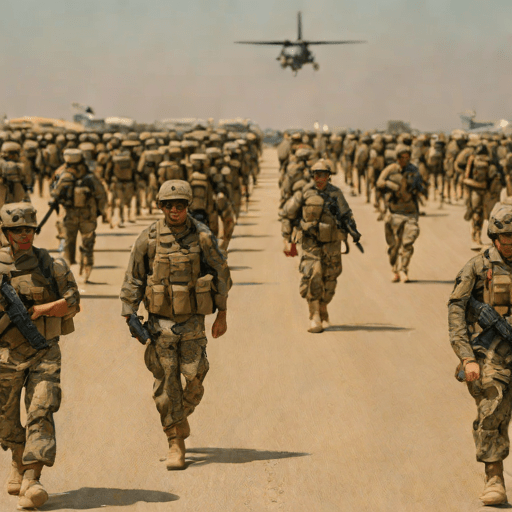
In summary, the U.S. vs. Iran conflict is not just a military one, but also a political and informational one. The spread of misinformation has played a significant role in shaping public perception and influencing political decisions. By addressing these issues and debunking myths, we can gain a more accurate understanding of the situation and make informed decisions.
Rebuttal
The U.S. vs. Iran conflict is often clouded by misinformation, with false claims and misleading narratives fueling public anxiety and political tension. The latest developments show that while there are reports of U.S. military deployments to the Middle East, many of these stories are either exaggerated or based on unverified sources. For instance, claims of 2,500 Marines being deployed or secret operations are frequently cited in media outlets, but these assertions often lack concrete evidence or official confirmation.
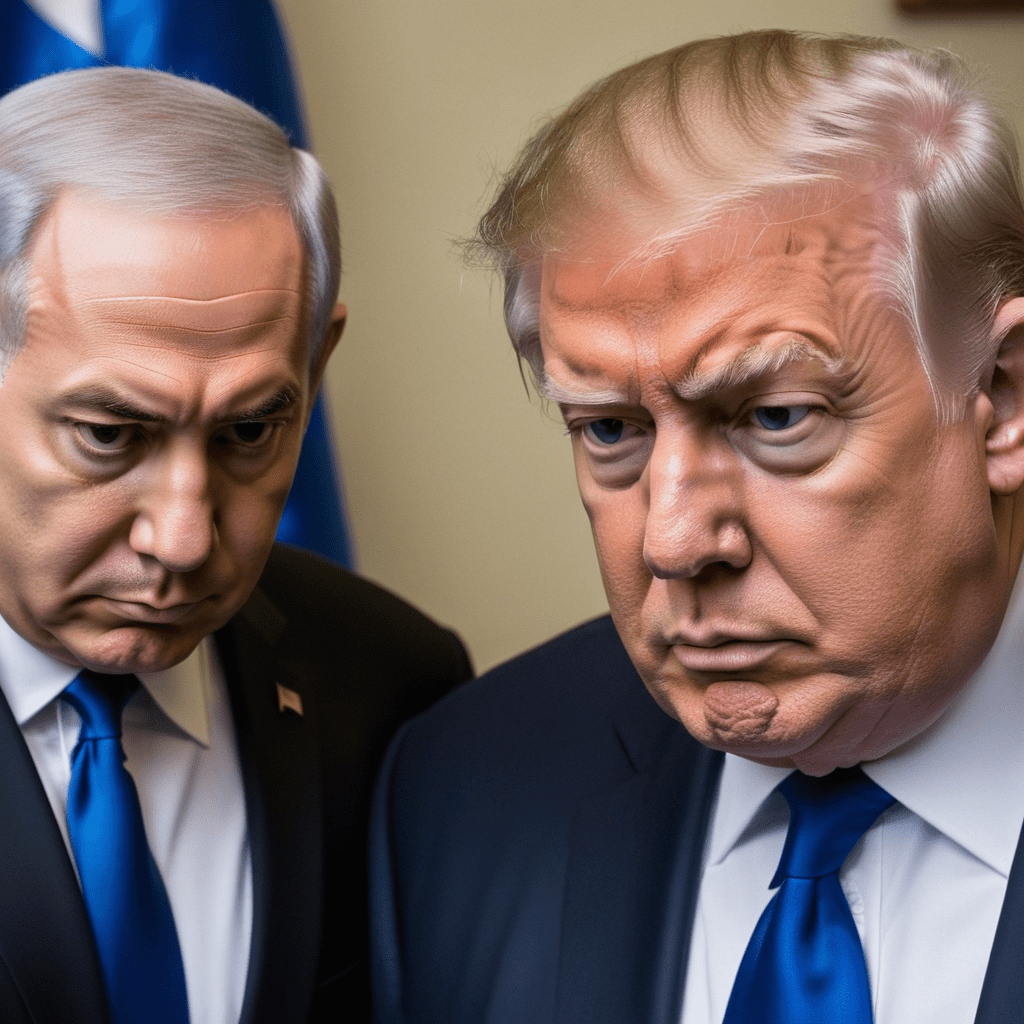
The latest information regarding U.S. soldiers being deployed to the Middle East is as follows:
1. Marine Deployments: Approximately 2,500 U.S. Marines have been deployed to the Middle East in response to American and Israeli airstrikes targeting Iran. These airstrikes are reportedly causing disruptions in the Islamic Republic’s attacks on Persian Gulf shipping and energy infrastructure, which is leading to global oil shortages and affecting the economy. U.S. Defense Secretary Pete Hegseth has stated that they are handling the situation without needing additional deployment.
2. U.S.-Israeli War: As tensions rise between the U.S. and Venezuela, with Trump involved in the conflict, there are ongoing military operations in the region to counter Iran’s attacks.
3. British Involvement: The Royal Air Force is also deploying RAF jets near the region to engage in defensive missions against American and Israeli airstrikes targeting Iran.
4. YouTube Claim: A video claims that 2,200 Elite Troops were deployed secretly to the Middle East, but this claim has been met with skepticism, as Snopes article suggests it might be an unprecedented act of defiance without substantial evidence.
5. Potential Soldier Defiance: There are reports about U.S. Army soldiers refusing deployment orders in the face of escalating conflict, though no definitive evidence supports this widely.
Summary of Troop Deployment
In summary, the United States is actively deploying troops to the Middle East, including Marines and possibly other forces from Britain, as part of its response to Iran’s attacks and global economic impact. However, there are conflicting reports about specific numbers and actions taken by soldiers in the region. It is crucial for the public to critically evaluate these claims and seek out verified sources before forming opinions or taking action based on potentially misleading information. The U.S. military’s actions in the region should be understood within the context of broader geopolitical tensions, rather than through the lens of sensationalized media reports.
Call to Action
In the face of confusion and division, clarity is our greatest weapon. The U.S. vs. Iran conflict is not just a clash of nations—it’s a battle for truth. We must reject the noise, confront the misinformation, and demand accountability from those who spread false narratives. Let us be the voice that separates fact from fiction, and the force that brings peace where fear prevails. The time to act is now—because in a world of lies, the only thing we can trust is our own judgment. Stand with truth, and shape a future built on clarity, not chaos.